

Snoring may be easy to joke about, but when it comes with pauses in breathing, restless sleep, morning headaches, or daytime fatigue, it can point to something more serious: sleep apnea. For patients searching for sleep apnea treatment in Concord, CA, understanding the available options is an important first step toward better rest and better overall health.
Sleep apnea is a medical sleep disorder, but the mouth, jaw, tongue, and airway often play a major role. That is why dental professionals and oral surgeons may be part of a patient’s care team, especially when anatomy, bite alignment, or jaw structure contributes to airway blockage.
Important note: This article is for general education only and is not a diagnosis or treatment recommendation. Anyone with symptoms of sleep apnea should consult a qualified healthcare professional or sleep physician for evaluation and guidance.
What Is Sleep Apnea?
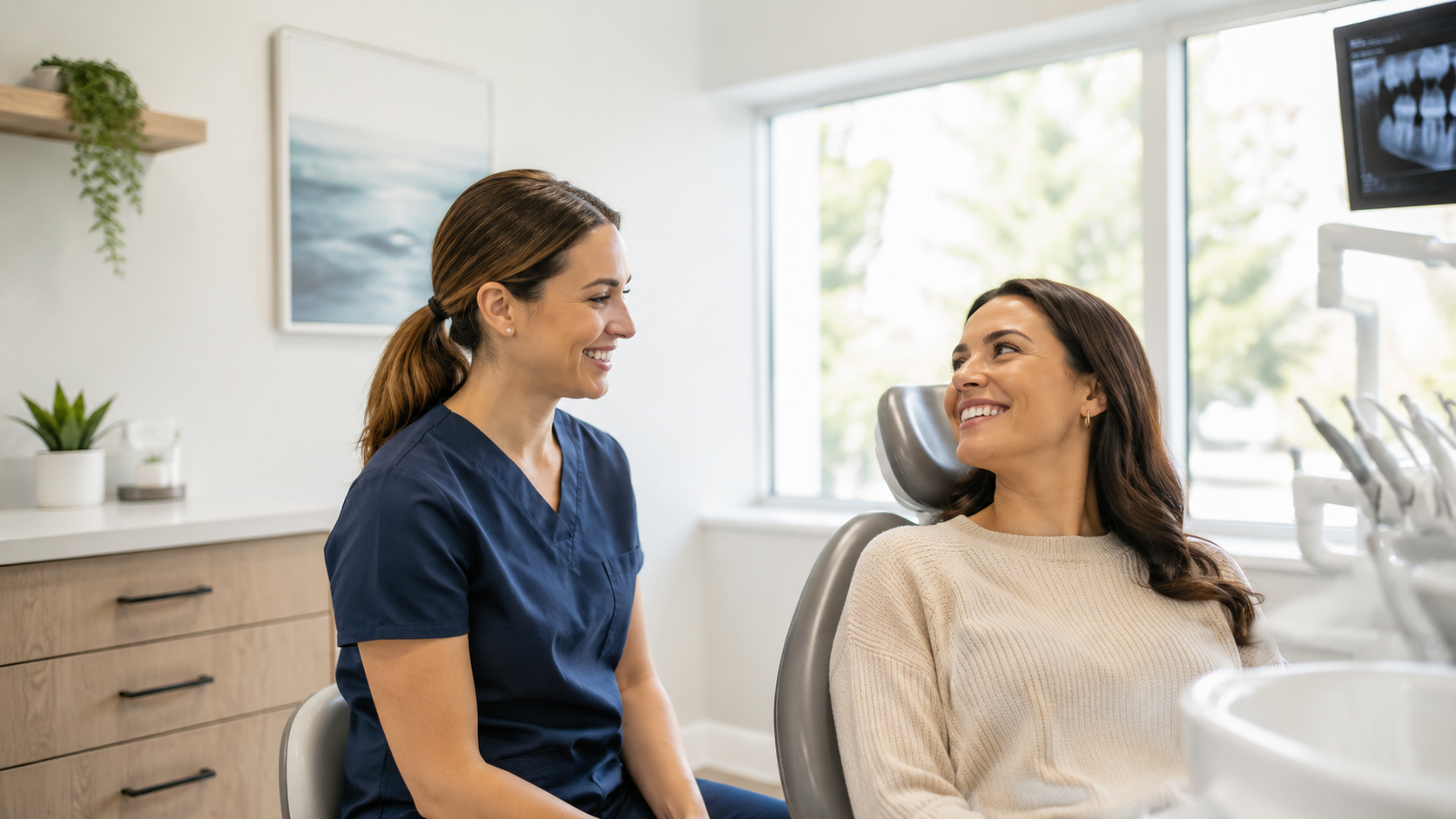
Sleep apnea is a condition in which breathing repeatedly stops or becomes very shallow during sleep. These pauses can last several seconds or longer and may happen many times throughout the night. Even when a person does not fully wake up, the body often shifts out of deep sleep to restart normal breathing.
Over time, these interruptions can leave a person feeling exhausted, irritable, and less focused during the day. Untreated sleep apnea may also be associated with broader health concerns, including high blood pressure, heart strain, and metabolic issues.
The Most Common Type: Obstructive Sleep Apnea
The most common form is obstructive sleep apnea, often called OSA. It happens when soft tissues in the throat, tongue, or airway relax and partially or fully block airflow during sleep.
For some patients, the blockage is related to the position of the tongue. For others, jaw size, jaw position, enlarged soft tissues, nasal breathing problems, or weight-related factors may play a role. Because the airway is connected to the mouth and jaw, dental and oral surgery evaluations can sometimes provide valuable insight.
Common Signs That Sleep Apnea May Be Present
Sleep apnea does not look the same for every person. Some people snore loudly, while others barely snore at all. A bed partner may notice breathing pauses before the patient realizes anything is wrong.
Common signs and symptoms may include:
- Loud or frequent snoring
- Pauses in breathing during sleep
- Gasping, choking, or snorting awake
- Morning headaches
- Dry mouth or sore throat upon waking
- Daytime sleepiness or low energy
- Difficulty concentrating
- Irritability or mood changes
- Restless sleep
- Waking up feeling unrefreshed
These symptoms can overlap with other health conditions, which is why a proper evaluation matters. A sleep study is often used to confirm whether sleep apnea is present and how severe it may be.
Why Treatment Matters
Many people put off care because they assume snoring is harmless or because they worry treatment will be uncomfortable. However, untreated sleep apnea can affect more than a person’s sleep quality.
When breathing pauses occur again and again, the body may experience drops in oxygen and repeated stress responses. This can place extra strain on the cardiovascular system and make it harder for the body to get the restorative sleep it needs.
Effective sleep apnea treatment may help patients feel more rested, improve daily energy, reduce disruptive snoring in some cases, and support long-term wellness. The right treatment depends on the patient’s diagnosis, anatomy, medical history, and personal comfort.
How Sleep Apnea Is Diagnosed
Sleep apnea should be diagnosed by a qualified medical provider, often a sleep physician. The process may begin with a discussion of symptoms, medical history, medications, and sleep habits. A provider may also ask about snoring, witnessed breathing pauses, and daytime fatigue.
In many cases, a sleep study is recommended. This may be performed at a sleep center or, for some patients, through an at-home sleep test. The study tracks breathing patterns, oxygen levels, sleep interruptions, and other measurements.
Once the type and severity of sleep apnea are understood, the care team can discuss treatment options. A dentist, oral surgeon, primary care physician, ENT specialist, or sleep physician may all play a role depending on the patient’s needs.
Sleep Apnea Treatment Options in Concord, CA
Patients looking for sleep apnea treatment in Concord, CA have several possible paths. Treatment is not one-size-fits-all. Some patients do well with a breathing machine, while others may benefit from an oral appliance, lifestyle support, or surgical evaluation.
CPAP Therapy
Continuous positive airway pressure, or CPAP, is one of the most common treatments for obstructive sleep apnea. It uses gentle air pressure delivered through a mask to help keep the airway open during sleep.
CPAP can be very effective for many patients, especially those with moderate to severe sleep apnea. However, some people find the mask, tubing, or air pressure difficult to tolerate. If CPAP feels challenging, patients should not simply stop using it without speaking to their provider. Adjustments to mask style, pressure settings, or humidity may help.
Oral Appliance Therapy
For certain patients with mild to moderate obstructive sleep apnea, or for patients who cannot tolerate CPAP, a custom oral appliance may be an option. These devices are worn in the mouth during sleep and often work by gently positioning the lower jaw forward. This can help reduce airway collapse behind the tongue.
Oral appliances are not the same as over-the-counter snoring guards. A professionally made appliance is customized to the patient’s teeth, bite, and jaw movement. Follow-up care is important to monitor comfort, fit, bite changes, and treatment effectiveness.
A dental or oral surgery evaluation can help determine whether the teeth, jaw joints, gum health, and bite can support appliance therapy. Patients should still work with a medical sleep provider to confirm that the appliance is helping control sleep apnea.
Lifestyle and Habit Changes
Some patients benefit from supportive lifestyle changes as part of a complete treatment plan. These may include weight management when appropriate, reducing alcohol before bed, avoiding sedatives unless prescribed, improving nasal breathing, quitting smoking, and sleeping on the side instead of the back.
These changes may not replace medical treatment, especially for moderate or severe sleep apnea, but they can support better sleep and overall health. A clinician can help patients decide which changes are safe and realistic for their situation.
ENT or Nasal Airway Care
Nasal congestion, a deviated septum, enlarged tonsils, or other airway concerns can contribute to sleep-disordered breathing. In some cases, an ear, nose, and throat specialist may evaluate whether nasal or throat-related treatment could help.
Improving nasal airflow may make breathing more comfortable and may also help some patients tolerate CPAP or oral appliance therapy more easily.
Oral and Maxillofacial Surgery Options
When jaw structure or airway anatomy plays a major role, an oral and maxillofacial surgeon may be involved. Surgical treatment is not the first choice for everyone, but it can be considered in select cases, especially when other therapies are not effective or not tolerated.
Possible surgical approaches may include procedures that reposition the jaws, address specific anatomical blockages, or support the airway in other ways. The exact recommendation depends on detailed evaluation, imaging, bite relationship, airway findings, and the patient’s overall health.
Because surgery involves recovery, risks, and careful planning, patients should have a thorough consultation and clear discussion of benefits, limitations, alternatives, and expected healing before making a decision.
How an Oral Surgeon May Help With Sleep Apnea Care
An oral surgeon’s role often begins with understanding the relationship between the jaws, facial structure, bite, and airway. For patients in Concord and surrounding communities, a consultation at an oral surgery practice such as Diablo Oral Surgery & Implant Center may help clarify whether oral and maxillofacial anatomy is contributing to sleep-related breathing problems.
During an evaluation, the provider may review medical history, sleep study results, dental health, jaw function, facial structure, and prior treatments. Imaging may be recommended when needed to better understand bone structure and airway-related anatomy.
The oral surgeon may coordinate with the patient’s sleep physician, general dentist, orthodontist, or ENT specialist. This team-based approach is important because sleep apnea is both a medical condition and an airway condition. The goal is to help the patient understand appropriate options and choose a path that fits their diagnosis and comfort level.
What to Expect During a Sleep Apnea Consultation
Patients often feel more comfortable when they know what to expect. A sleep apnea-related consultation is usually a conversation first. The provider may ask about sleep quality, snoring, CPAP use, oral appliance history, jaw concerns, medical conditions, and treatment goals.
Patients should bring any sleep study results, CPAP reports, appliance information, medication lists, and relevant medical records. If a sleep study has not yet been completed, the provider may recommend seeing a sleep physician before discussing certain treatment options.
The exam may include an evaluation of the teeth, bite, jaw joints, soft tissues, and facial profile. The provider may also discuss whether additional imaging is helpful. From there, patients can learn whether oral appliance therapy, surgical evaluation, referral, or continued medical management may be appropriate.
Choosing the Right Treatment Path
The best treatment is the one that addresses the patient’s condition and can be used consistently. Even a highly effective therapy may not help if it stays in a drawer or feels impossible to tolerate.
When comparing options, patients may want to ask:
- How severe is the sleep apnea?
- Is the airway blockage related to the jaw, tongue, nose, throat, or a combination?
- Is CPAP working well, or are there comfort issues?
- Could an oral appliance be appropriate?
- Are there dental or jaw concerns that affect appliance use?
- Would surgical evaluation be helpful?
- How will treatment success be measured?
Follow-up testing is often important. A patient may feel better but still need objective confirmation that breathing has improved during sleep. The care team can explain when repeat sleep testing or treatment monitoring is recommended.
Comfort, Safety, and Patient-Centered Care
Concerns about comfort are completely normal. Many patients worry about sleeping with a device, adjusting to CPAP, or recovering from a procedure. A compassionate care team will take time to explain each step, answer questions, and help patients understand what is realistic.
Modern sleep apnea care is not about forcing every patient into the same treatment. It is about matching the diagnosis, anatomy, lifestyle, and preferences as closely as possible. For some people, that means CPAP. For others, it may mean an oral appliance, combined therapies, or a surgical consultation.
Patients should feel empowered to speak up about discomfort, anxiety, or concerns. Small adjustments can make a meaningful difference in whether treatment becomes part of a sustainable nightly routine.
FAQ: Sleep Apnea Treatment in Concord, CA
Can a dentist or oral surgeon diagnose sleep apnea?
A dentist or oral surgeon may recognize signs that suggest possible sleep apnea, but a formal diagnosis usually requires evaluation by a medical provider and a sleep study. Dental and oral surgery professionals can be important partners in treatment planning once a diagnosis is made.
Is snoring always a sign of sleep apnea?
No. Some people snore without having sleep apnea. However, loud, frequent snoring combined with gasping, choking, daytime sleepiness, or witnessed breathing pauses should be evaluated by a healthcare professional.
Are oral appliances comfortable?
Many patients find custom oral appliances easier to tolerate than they expected, especially after an adjustment period. Comfort depends on the fit, jaw movement, dental health, and follow-up care. A professional evaluation helps determine whether this option is suitable.
Is CPAP the only treatment for sleep apnea?
No. CPAP is a common and effective treatment, but other options may include oral appliance therapy, lifestyle changes, ENT care, or oral and maxillofacial surgery in selected cases. The right choice depends on the type and severity of sleep apnea and the patient’s anatomy.
When is surgery considered for sleep apnea?
Surgery may be considered when anatomical factors contribute to airway blockage or when other treatments are not effective or not tolerated. A detailed consultation is needed to review risks, benefits, alternatives, and recovery expectations.
Will insurance cover sleep apnea treatment?
Coverage varies by plan, diagnosis, treatment type, and medical necessity requirements. Patients should check with their medical and dental insurance providers and ask the treatment office for guidance on documentation and benefits.
Taking the Next Step Toward Better Sleep
Sleep apnea can feel frustrating, but patients do not have to navigate it alone. With the right evaluation and a coordinated care team, many people find a treatment path that supports better breathing, more restful sleep, and improved daily energy.
For those exploring sleep apnea treatment in Concord, CA, Diablo Oral Surgery & Implant Center can be a helpful place to ask questions about the oral and jaw-related aspects of care. A consultation can help patients understand whether oral surgery evaluation, dental collaboration, or referral to a sleep specialist may be the right next step.
If symptoms such as loud snoring, gasping during sleep, or constant daytime fatigue sound familiar, it may be time to start the conversation with a qualified clinician. Better sleep often begins with one simple step: asking for help.